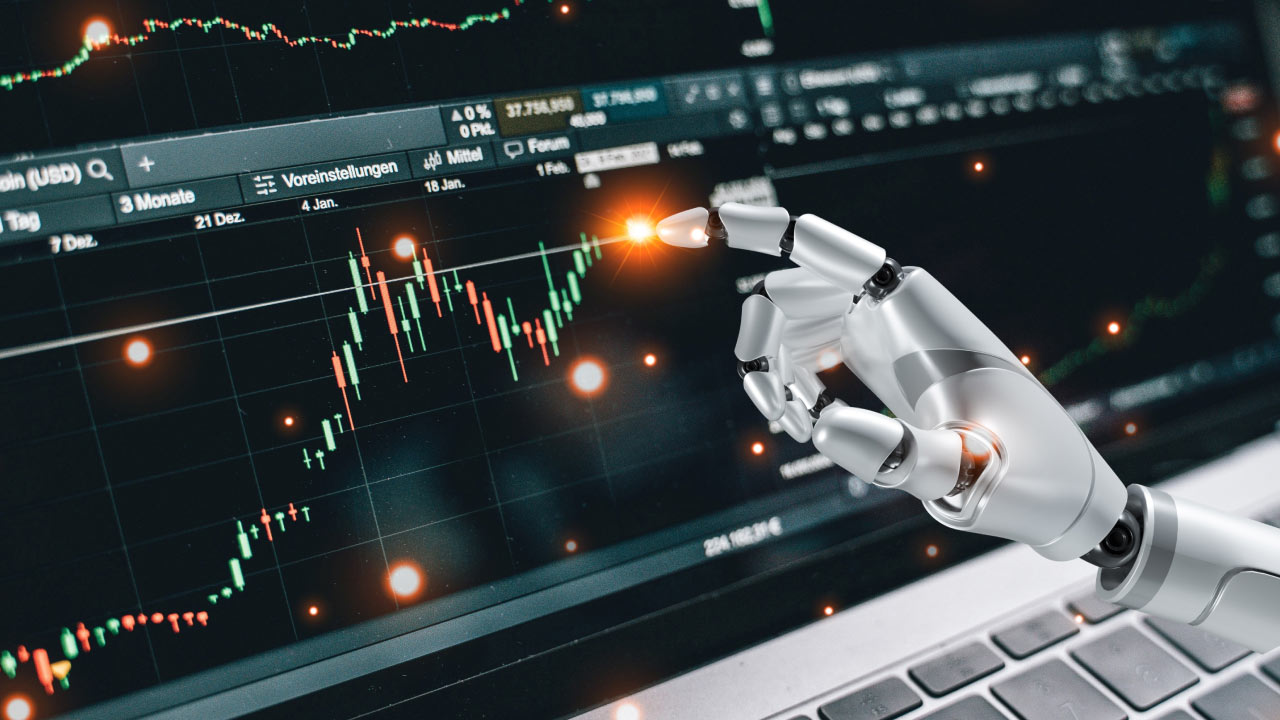
The new traders often, unfortunately, get into the market too quickly, being incapable of controlling their excitement, however, they have poor experience. Consequently, they make mistakes and lose money quickly. It is at this point where the comprehension of the concept of paper trading becomes imperative. Essentially, it creates a risk-free and methodical environment for novices to monitor their skills, try out different methods, and get the hang of the market without having to spend any real cash. In this modern era, where every single trader has the s&p 500 forecast under close watch, paper trading acts as an extremely significant link between theory and practical application in the real world. If one learns to use it in the right way, he or she will be able to get themselves ready for market shifts, gain confidence, and even shift their trading style before stepping into the live market.
Understanding What Is Paper Trading and Why It Is Important
In order to get the full picture of what is paper trading, you can visualize it as the practice of trading that truly follows real market events but with the use of bogus funds. The order of buying and selling is done by traders just like in the case of an actual trading account, however, the at risk amount is only imaginary. This way, the new traders can get to know the risks that are involved in the trading, the different types of orders, how the prices move, and also the importance of managing risks—all of these are the things they will not experience since they are not using their real money.
The reason why paper trading is important is that there is no way to predict the financial markets and the mere possession of the required knowledge does not guarantee victory. The psychological stress resulting from trading with real money can sometimes lead to very wrong decisions being made. With the help of paper trading, the traders get to practice being disciplined and making decisions based on the trading strategies rather than emotions before they actually take on the risk of trading. It is also a great way for inexperienced traders to take the risk of making mistakes, learning from them, and subsequently, getting better without actually incurring any financial loss.
Traders who use paper trading in the context of the ever-changing s&p 500 forecast are able to observe how the major stock market indices respond to world events, economic data and corporate earnings. Being able to recognize these early patterns gives traders a huge benefit if they then move on to real trading.
The Notion of Paper Trading to Witness the Shifts in S&P 500 Forecasts
The s&p 500 forecast is a very important determinant of the market's mood. Based on the different factors like inflation or interest rate, international politics or corporate performance, the analysts keep on updating their predictions. Beginners who only read news headlines might find the forecasting to be a bit of a black box. They don’t have the framework of combining paper trading with forecast analysis, which would otherwise make their learning experience much smoother.
When a trader is practicing in a simulated environment, he can see how the S&P 500 will react to the trends predicted through the forecasts. For example, if the experts are forecasting a bullish period owing to the economic conditions becoming better, the newbie can put the long strategies to test in the demo account. If the prediction is a slump due to the fear of recession, he can try short selling or defensive trading tactics. This practical experience will be really beneficial for telling how accurate the forecasts are and also for finding which strategies are suiting different market expectations.
This strategy will, in the long run, not only enhance the technical and fundamental analysis skills but also the ability to spot the opportunities and risks in one’s future live trades.
How Paper Trading Builds Discipline and Confidence
traders' emotional discipline is one of the most significant problems they have to deal with. Moreover, the emotions of fear and greed usually make traders close their transactions too soon, hold on to losing trades for too long or make an entry without a proper plan. Using a demo account lets beginners go through the same practice process and gradually become disciplined by it.
By knowing what is paper trading, traders accept that the arena is for developing skills and not for making money. They can apply their strategies without the influence of emotions since there is no actual money involved. This continuity allows them to form a structured trading routine that becomes effortless with time.
Through the process of getting acquainted, one's confidence grows too. The beginners in trading often get lost amidst the graphs, shapes, order types, and technical indicators. However, paper trading allows them to gradually and entirely familiarize themselves with the platforms, tools, and setups that they need. When they later move on to the live trading account, they do so with more confidence, less anxiety, and a better understanding of how the market operates.
Paper Trading Assists Traders in Testing S&P 500 Forecast-Based Strategies
The use of forecast-based strategies is among the common practices of many traders, especially those who deal with the S&P 500. The skills to trade based on forecasts are gained through mastering both the predictions and the real price movements. Paper trading proves to be the most appropriate opportunity for testing strategies based on forecasts.
In case, s&p 500 forecasts indicate excellent quarterly performance from the largest companies, then the traders can use their demo account to engage in bullish pattern practices. In other aspects, if the hints are towards volatility caused by political events or inflation rates going up; then, the traders can practice their risk management techniques like stop-loss placement and hedging. Every situation enhances traders' comprehension of the coexistence of forecasts and actual market movements.
This testing period is very important because it shows the gap between what was expected on paper and how the market really acted. The traders will not only learn to trust the forecasts' output but will also make use of the forecasts in a wider technical and fundamental analysis-based strategy.
Transitioning from Paper Trading to Real Markets
Learning what is paper trading means getting the traders ready for the real market conditions. A trader may begin transitioning to real money trading after the practice has been done consistently, results have been documented, and confidence has been built. The transition should be slow, starting with small positions and low-risk trades.
By the time they get into live trading, they already know how the S&P 500 acts during different forecast cycles, how to keep their risk, and how to be disciplined. This puts them in a better position to win in the long term than the traders who skip the learning phase and straight away enter the markets without any preparation.
Conclusion
In a rapidly changing market where every new s&p 500 prediction has a strong effect on traders' moods, novices want a protected and efficient way to learn. Knowing what is paper trading helps the new ones to get ready through practice, trial and error, and building their strategies. It grants them the confidence, the feeling of the market, and the discipline necessary to master the world of real trading. With paper trading acting as the base, the new traders are coming into the markets with their skills, knowledge, and a clearer perception of how to make it.